
Medical Weight Loss · Metabolic Health · Chicago & Online
Metabolic Health & Weight Optimization, Led by a Physician
Physician-led medical weight loss and metabolic care, with online visits and at-home blood draws in Chicagoland. If you’re doing “everything right” and the scale won’t move, there may be a medical reason worth looking into. We start with an in-depth history and advanced lab testing, then build a personalized plan that may include nutrition, exercise, sleep, supplements, peptide therapy, hormone care and GLP-1 medication when appropriate.
At a glance
- Physician-led. Directed by a physician with advanced certifications in weight management and metabolic endocrinology.
- More than a prescription. An in-depth intake, advanced labs and a written plan come first.
- Virtual visits wherever we’re licensed. See where we provide care.
- At-home blood draws with a body-composition scan in Chicagoland, parts of Northwest Indiana and Madison (Miami coming soon), or at any Quest or Labcorp.
- Membership optional. Start with a single visit.
Sound familiar?
Stubborn weight is often a signal, not a willpower problem
Weight is regulated by hormones, including insulin, thyroid hormone, cortisol, estrogen and testosterone, along with hunger and fullness signals between your gut and brain. When one of them is out of balance, “eat less and move more” may not be enough on its own.
You don’t need a diagnosis, or a lab “proof,” to start the conversation.
Our approach
A metabolic health practice, not a GLP-1 clinic
GLP-1 medications can be a helpful tool, and we prescribe them when appropriate. But a prescription isn’t a plan. Our care is guided, personalized and grounded in current medical evidence.
The deep dive
We look for what’s driving your weight gain
Weight gain rarely has a single cause. Your evaluation looks at each of these, so your plan addresses the cause, not just the number on the scale.
Insulin resistance
Insulin resistance can develop years before blood sugar rises. That’s why we measure fasting insulin, not just A1c.
Thyroid function
A full thyroid panel, not TSH alone: free T4 and free T3, plus reverse T3 and thyroid antibodies when indicated.
Cortisol & stress
A disrupted cortisol rhythm can contribute to cravings, poor sleep and weight gain around the middle. A 4-point saliva test maps your daily pattern.
Hormone balance
Perimenopause, menopause and low testosterone can change how and where your body stores fat. We test, and treat when appropriate.
Sleep
Short sleep is linked to higher hunger hormones and increased appetite. We screen for sleep apnea with a home sleep study when it’s a concern.
Inflammation & gut health
Chronic inflammation is linked to insulin resistance. We check hs-CRP and, when it adds value, a comprehensive stool analysis.
Nutrient status
Low vitamin D, B12, iron or magnesium can contribute to fatigue and make progress harder.
Medications & history
Some medications, including steroids, certain antidepressants, insulin and some other diabetes medications, can cause weight gain. We review everything you take.
- We help with
- Medical weight loss
- Insulin resistance
- Prediabetes
- Metabolic syndrome
- Fatty liver
- Weight-loss plateaus
- Midlife weight gain
- Ongoing GLP-1 care
Testing
Beyond A1c: testing for insulin resistance and metabolic health
A1c reflects your average blood sugar over about three months. It’s useful, but it can be a late signal. With insulin resistance, the pancreas makes extra insulin to keep blood sugar in range, so changes can appear years before A1c rises. That’s why your first labs look at the whole system.
Preparing: fast 10 to 12 hours (water is fine) and book a morning draw. Still having periods? We schedule your draw about one week before your next period is expected.
Myth vs. fact
“My A1c and glucose are normal, so my metabolism is fine.”
Normal blood sugar can mask insulin resistance. Fasting insulin and triglycerides can show changes sooner.
Your first labs usually include
Blood sugar & insulinFasting glucose, A1c and fasting insulin (to estimate insulin resistance, or HOMA-IR), with C-peptide or fructosamine when useful.
ThyroidTSH, free T4 and free T3, plus reverse T3 and thyroid antibodies when indicated.
Adrenal & sex hormonesMorning cortisol and DHEA-S; total and free testosterone with SHBG; estradiol and progesterone for women, using precise LC-MS/MS testing where it matters.
Heart, liver & kidneyCBC, comprehensive metabolic panel, lipids with ApoB and Lp(a), hs-CRP, uric acid and GGT, and kidney markers such as cystatin C when indicated.
NutrientsVitamin D, B12 and folate, iron and ferritin, and magnesium.
Body compositionBiometric Analysis at your concierge draw: segmental body composition, visceral fat and metabolic rate.
When it adds value4-point salivary cortisol, a home sleep study, comprehensive stool testing, advanced lipoprotein testing, leptin, or a coronary calcium score.
Treatment
A personalized weight loss plan, built from every tool
After your Lab Analysis & Review, you’ll receive a written Personalized Plan. It starts with the foundations that support any treatment, then adds supplements, peptides, hormones or medication when your history and labs support them.
The foundation
Nutrition plan
Practical, protein-forward guidance built around how you actually eat and what your labs show. No crash diets, which can cost you muscle.
Exercise prescription
Strength training to build and protect muscle, plus cardio and simple habits, like a walk after meals, that support insulin sensitivity.
Sleep
Sleep targets and habits, and a home sleep study when sleep apnea is a concern. Better sleep can help with appetite and blood sugar.
Stress & cortisol
When testing shows a disrupted cortisol rhythm, a targeted plan to support it, because stress hormones affect hunger, sleep and fat storage.
Medical therapy, when appropriate
GLP-1 medications
Prescribed when appropriate, started at a low dose and adjusted gradually, and paired with protein and strength training to help protect muscle.
How we prescribe GLP-1s ↓Insulin-sensitizing medication
Metformin when insulin resistance or prediabetes calls for it, on its own or alongside other treatment.
Thyroid optimization
Thyroid hormone (T4, T3 or a combination) when testing shows your thyroid needs support. We address cortisol and gut health first, because both affect thyroid function.
Hormone balancing
Hormone therapy for women in perimenopause and menopause, and testosterone therapy for men, when your symptoms and labs support it.
Women’s Health Men’s HealthPeptide therapy
Physician-guided peptide therapy for metabolic health, body composition and recovery, when there’s a clear clinical reason. Never “research-use-only” products.
About peptide therapy →Supplements & nutraceuticals
A curated plan through Fullscript, chosen for your labs, which may include options such as berberine, magnesium, alpha-lipoic acid, omega-3s or fiber.
Inflammation & gut health
Targeted gut-repair and anti-inflammatory protocols when testing points there, which may include low-dose naltrexone (LDN).
Heart & liver protection
When ApoB, blood pressure, uric acid or liver markers stay high, targeted supplements or medication, plus coronary calcium scoring when it adds value.
Compounded or brand-name
GLP-1 medication, dosed for you
When a tailored dose or formulation makes a clinical difference for you, we may prescribe a compounded GLP-1. Compounding allows smaller dose adjustments than the fixed steps of commercial pens, which can help when easing through side effects or increasing or tapering gradually. Compounded medications are cash-pay and may cost less than brand-name pricing without insurance.
We work only with licensed, carefully vetted compounding pharmacies. They source ingredients from FDA-registered facilities, sterility-test injectable products and provide a certificate of analysis on request.
Compounded medications are prepared for individual patients and aren’t FDA-approved, which means the FDA doesn’t review them for safety, effectiveness or quality before they’re dispensed. We always tell you what you’re taking, why we chose it and how we’ll monitor it. FDA-approved brand-name GLP-1 medications are also available, and we’ll prescribe them if you prefer them or your insurance covers them.
GLP-1 therapy
GLP-1 weight loss, guided by a physician
GLP-1 medications act like hormones your gut releases after a meal. They help your pancreas release insulin, slow digestion and signal fullness to your brain, which can reduce appetite and cravings.
Most GLP-1 medications are peptides. Prescribing them well takes training in both weight management and peptide therapy, which is why your care is directed by a physician with advanced certifications in both.
They aren’t right for everyone, and they work best as part of a complete plan that includes nutrition, strength training and sleep. Results vary from person to person.
How we prescribe
Start low, go slow
We begin at a low dose and adjust gradually based on how you feel and respond, to help keep side effects manageable.
Protect your muscle
Some of the weight lost during GLP-1 treatment can be muscle. A daily protein target, strength training at least twice a week and body-composition tracking help preserve it.
Stay ahead of side effects
Nausea, constipation and reflux are common, especially early on, and often improve. You’ll have a plan for hydration, fiber and meal timing, and we adjust your dose when needed.
Plan around procedures
GLP-1 medications slow digestion, which matters for anesthesia. Tell your surgeon and anesthesiologist that you take one, and follow their instructions about your dose.
Plan for the long run
When you reach your goal, we decide together whether to continue at the lowest effective dose, taper gradually or rely on the other tools in your plan.
Who GLP-1 therapy may not be right for
- A personal or family history of medullary thyroid cancer or MEN2 syndrome
- Prior pancreatitis (requires a careful discussion)
- Pregnancy, breastfeeding, or plans to conceive within two months
- A current or past eating disorder, unless co-managed with your care team
- Severe gastroparesis or inflammatory bowel disease (requires a careful discussion)
If a GLP-1 isn’t right for you, the rest of your plan still applies, and we’ll talk through other options.
How we monitor
- Weight, waist and body composition, including lean mass
- Blood pressure and heart rate at every visit
- A1c, fasting insulin, lipids, and liver and kidney function
- Nutrition status on longer courses, such as protein intake, B12, iron and vitamin D
- Side effects at every visit, with dose adjustments as needed
- Follow-ups every 3 to 6 months, with repeat labs when appropriate
Long-term health
The goal is a healthier metabolism, not just a smaller number
Excess visceral fat and insulin resistance are linked to a higher risk of heart disease, type 2 diabetes, fatty liver, several cancers and cognitive decline. For many people, even modest weight loss of 5% to 10% can improve blood pressure and blood sugar.
Your plan looks ahead: advanced cholesterol markers like ApoB and Lp(a), coronary calcium scoring when it helps, liver health, muscle strength, and a cancer screening roadmap that starts with well-established tests.
How it works
Your path, step by step
Free discovery call (optional)
Fifteen minutes with our team to choose the right first step.
Initial Consultation
A 45-minute televisit to review your weight history, diet, activity, sleep, stress, medications and goals. Prefer to start with labs? You can.
Fasting lab draw
At home or work with our concierge phlebotomist, including a body-composition scan, or at any Quest or Labcorp.
Lab Analysis & Review
About two weeks after your draw, a televisit that walks through every result and what may be driving your weight.
Your Personalized Plan
A written roadmap: nutrition, exercise, sleep, supplements and, when appropriate, peptides, hormones or GLP-1 medication.
Follow-up
Every 3 to 6 months, we recheck your labs and body composition and refine your plan.
Who you’ll see
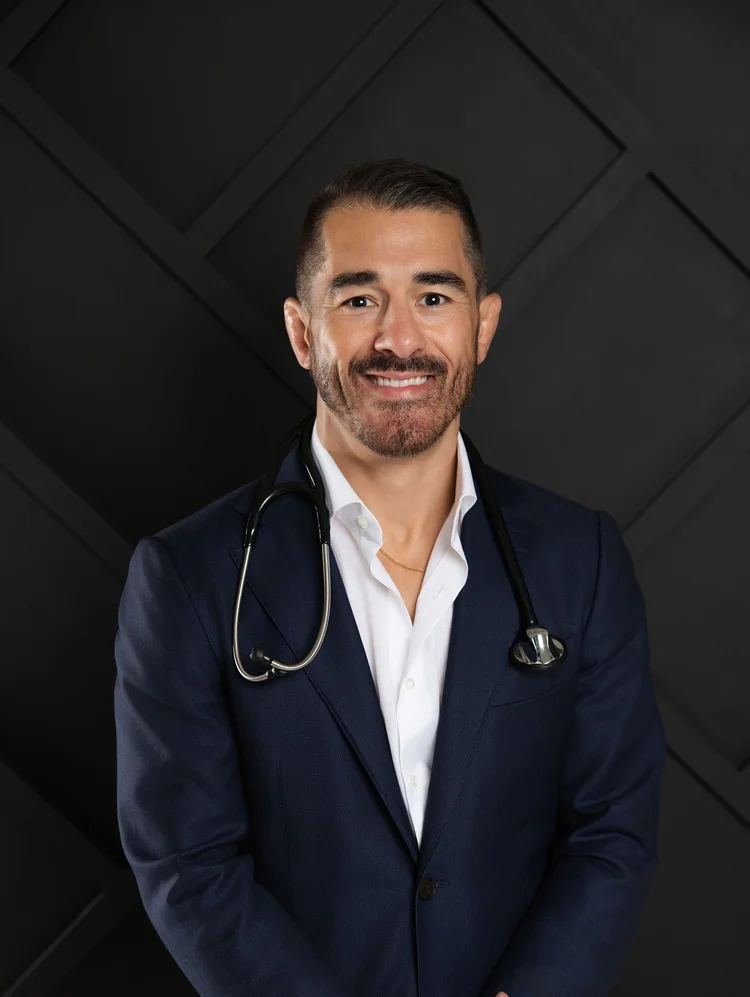
Christian Badillo, MD
Founder & Medical Director
Dr. Badillo pairs the diagnostic discipline of emergency medicine with advanced training in weight management, metabolic endocrinology and longevity medicine. He looks for the reasons behind your weight, explains your results in plain language, and sends you a written plan after every visit.
Our clinical team handles at-home blood draws and helps with questions between visits.
Advanced Weight Management Certification (A4M)
Evidence-based strategies for sustainable fat loss and metabolic health.
Advanced Metabolic Endocrinology Certification (A4M)
Hormone optimization for both men and women.
Board Certified, Anti-Aging & Regenerative Medicine (A4M · ABAARM)
Advanced knowledge in evidence-informed preventive, regenerative and age-management medicine.
Fellow in Longevity Medicine (A4M)
Advanced fellowship training across metabolic health, hormones, performance and long-term disease prevention.
Advanced Peptide Therapy Certification (A4M)
The science of peptides for longevity, recovery and performance.
Board Certified, Emergency Medicine
Experienced physician and clinical leader with a background in emergency care, medical direction and healthcare operations.
Fellowship-Trained, Emergency Ultrasound
Specialized training in point-of-care ultrasound for rapid assessment, diagnostic accuracy and informed clinical decisions.
Membership is optional. Continuity is the point.
You can work with us visit by visit. Many patients choose membership because metabolic care benefits from regular check-ins: scheduled televisits with an updated written plan, concierge blood draws with body-composition analysis, nurse messaging, and member pricing on treatments.
FAQs
Medical weight loss: questions patients ask us
Can I just get a GLP-1 prescription?
Not without an evaluation. GLP-1s are one of our tools, and we prescribe them only after a consultation and labs show they’re appropriate for you. That evaluation also helps make sure we aren’t missing a thyroid, cortisol or hormone issue that a prescription alone won’t address.
Do I need labs before starting?
Yes. We review labs before prescribing to look for underlying causes, check safety markers and set a baseline. If you’ve had labs in the past few months, send them to us.
How much weight will I lose?
Results vary, and we don’t promise a number. Progress depends on your starting point, what’s driving your weight, your treatment, and your nutrition, training and sleep. We set realistic goals together and track body composition, labs and how you feel, not just the scale.
Will I lose muscle?
Some weight lost during GLP-1 treatment can be muscle, especially without enough protein and strength training. We set a daily protein target, prescribe strength training and track your body composition, not just scale weight.
Compounded or brand-name: which is right for me?
It depends on your needs. FDA-approved brand-name GLP-1s come in fixed doses and may be covered by insurance. A compounded GLP-1 may be appropriate when you need a dose or formulation that isn’t commercially available, and it’s cash-pay. We’ll walk through the options, and we always tell you which one you’re getting.
Do I have to stay on a GLP-1 long term?
Not necessarily, but weight can return when these medications are stopped without a plan. When you reach your goal, we decide together whether to continue at the lowest effective dose, taper gradually, or rely on the habits and other treatments you’ve built.
I’m already on a GLP-1 from another clinic. Can you take over?
Yes, after an evaluation. Bring your current medication, dose and recent labs to your consultation, and we’ll plan a smooth transition.
Do you use “research” peptides or products sold online?
No. We prescribe only medications from licensed pharmacies, never products labeled “research use only” or “not for human use.” If you’re already using something bought online, tell us. We won’t lecture you, but we need to know.
Can you help with insulin resistance or prediabetes without medication?
Yes. For many patients, the plan starts with nutrition, exercise, sleep and targeted supplements, with medication added only if it’s needed.
Do you offer medical weight loss in Chicago?
Yes. Visits are online, so you can meet with us from home in any state where we’re licensed (see our service areas). At-home blood draws are available in Chicagoland, parts of Northwest Indiana and the Madison area, with Miami coming soon, or you can use any Quest or Labcorp.
Will insurance cover my medication?
Compounded medications are cash-pay. If your plan covers a brand-name GLP-1, we can send the prescription to your retail pharmacy; coverage and prior-authorization rules vary by plan.
Do you take insurance?
We don’t bill insurance for visits, but we provide a superbill you can submit for possible out-of-network reimbursement. Lab work at Quest or Labcorp can be billed by the lab directly to your insurance. We accept credit, debit, HSA and FSA cards, and Zelle. A 3% processing fee applies to card payments.
What does it cost?
Visits, labs and medications are priced separately, and current fees are in the Our Process handout. We never mark up lab testing, and our Master Lab Testing Menu shows which tests are usually covered by insurance, so you can check before your draw.
Do I need a membership?
No. Membership is optional. You can book visits one at a time and join later if continuity makes sense for you.
Ready when you are
Find out what may be driving your weight
Book an Initial Consultation, or start with a free 15-minute discovery call.
Medically reviewed by Christian Badillo, MD · November 2026
All care is overseen by Christian Badillo, MD, a board-certified physician, and administered by a licensed clinician. This page is for education and isn’t a substitute for individual medical advice. Treatment, including GLP-1 medication, is prescribed only after evaluation, when clinically appropriate and permitted by state law. Compounded medications are not FDA-approved. Individual results vary.
Related: Women’s Health · Men’s Health · Peptide Therapy · Comprehensive Blood & Advanced Testing · Services · Memberships · Service areas
References
- Tabák AG, et al. Trajectories of glycaemia, insulin sensitivity, and insulin secretion before diagnosis of type 2 diabetes: an analysis from the Whitehall II study. Lancet. 2009;373(9682):2215–2221.
- Spiegel K, et al. Sleep curtailment in healthy young men is associated with decreased leptin levels, elevated ghrelin levels, and increased hunger and appetite. Ann Intern Med. 2004;141(11):846–850.
- Elmaleh-Sachs A, et al. Obesity management in adults: a review. JAMA. 2023;330(20):2000–2015.
- Neeland IJ, Linge J, Birkenfeld AL. Changes in lean body mass with glucagon-like peptide-1-based therapies and mitigation strategies. Diabetes Obes Metab. 2024;26(Suppl 4):16–27.